
Leading With Love: Why the World Needs More of It
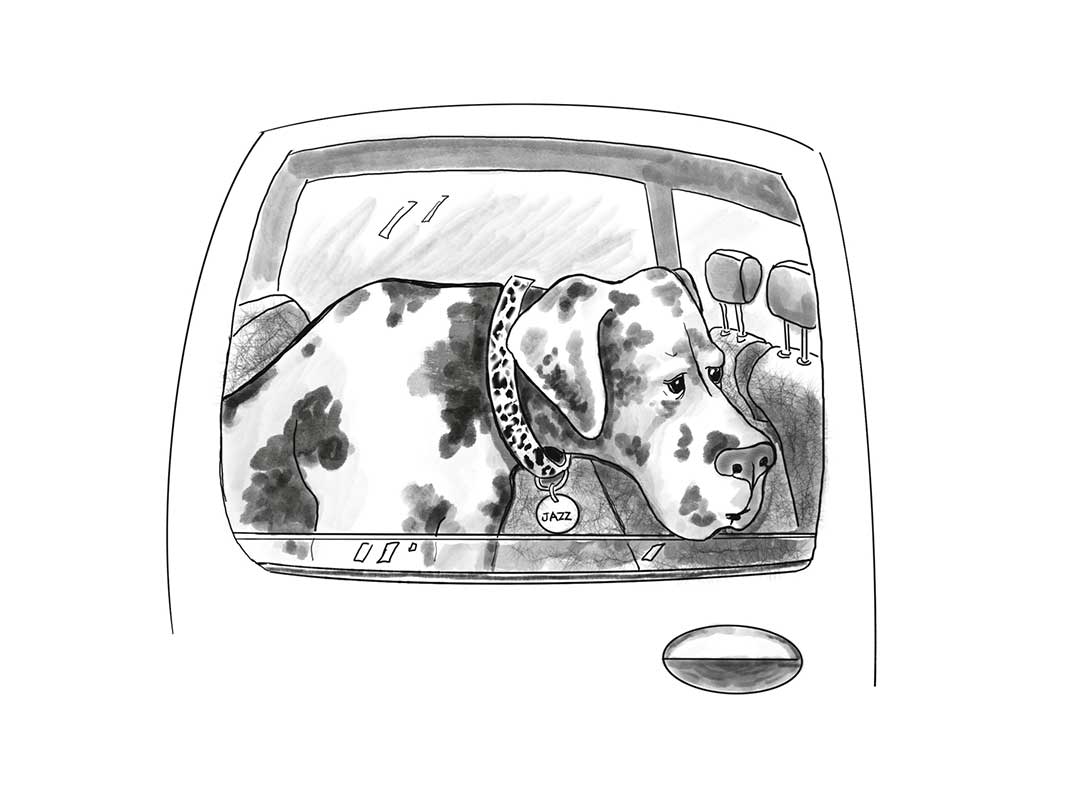
“Kinship thrives when leaders and followers interact with respect, allowing us to learn and grow under their watchful eyes.”
Leadership isn’t just something that happens in boardrooms or job titles. It shows up in our homes, our workplaces, and our communities. And yet, many people still picture leadership as control. They see it as taking charge, giving direction, and being the one who knows best.
That’s why the idea of leading with love can feel unfamiliar or even a little unclear. But now more than ever, it’s one of the most important things we can embrace. In the sections that follow, we’ll look at what it means to lead with love—and why the world needs more of it.
What Does It Mean to Lead With Love?
Despite what it might sound like, leading with love isn’t about avoiding tough conversations or pretending everything is fine. Really, leading with love means showing up with emotional intelligence, humility, and respect, especially when things get hard.
This way of leading puts people before power. Instead of controlling others, leaders who lead with love focus on understanding them. They listen more than they speak. They create space for others to be seen, heard, and valued. And they understand that growth doesn’t come from fear or pressure, but from trust.
When you lead with love, you set the tone for collaboration, honesty, and shared success. You don’t have to be perfect, but you do have to be present. It’s a daily choice to value connection over control—and to lead in a way that brings out the best in others.
What Leading with Love Looks Like in Practice
It’s one thing to understand the concept of leading with love, but it’s another to put it into action. This kind of leadership shows up in small moments, everyday decisions, and the way we treat the people around us. Let’s take a closer look at what this looks like in real life.
Respect Boundaries and Know When to Step Back
Leading with love means respecting others, not just in theory, but in how we interact with them day to day. This means honoring someone’s space, their emotions, and their timing. Not everyone is ready to talk, to grow, or to be led in the same way, and that’s okay.
Rather than assuming your input is needed, ask for permission. “Would it be helpful if I shared a thought?” is a simple but effective way to show respect. Pay attention to the nonverbal cues too (i.e., crossed arms, silence, hesitation. These signs matter. Leadership doesn’t mean pushing through resistance; it means recognizing it and responding with care.
As Dr. Henry Cloud says in his book Boundaries for Leaders: “You get what you create and you get what you allow.” When you lead with respect and boundaries, you create a culture where trust and growth can take root.
Listen Without Trying to Control the Outcome
One of the most powerful ways to lead with love is to listen without trying to fix, steer, or dominate the conversation. It’s easy to fall into the trap of jumping in with advice or trying to guide someone toward the outcome you think is best. But true listening is about holding space, not taking control.
This kind of listening takes practice. It means slowing down, setting aside your agenda, and giving someone your full attention. Resist the urge to interrupt or mentally prepare your response while they’re still speaking. Instead, stay curious. Ask open-ended questions like, “What do you need right now?” or “How are you feeling about that?”
People are more likely to grow when they feel heard without being managed. That’s leadership at its best—not controlling the outcome, but supporting the process.
Create a Space Where People Feel Safe to Be Themselves
People thrive when they feel safe, both physically and emotionally. When someone knows they can speak up without fear of being judged, dismissed, or punished, they’re more likely to bring their full self to the table. That’s when creativity, collaboration, and genuine growth can happen.
A study from Google found that psychological safety was the single most important factor in building high-performing teams. This is because it reduces conflict, strengthens collaboration, and allows people to focus on contributing instead of protecting themselves.
So what does that look like in practice? It’s staying calm during tough conversations, even when emotions run high. It’s being the first to admit when you’ve made a mistake. It’s choosing to model vulnerability by saying, “I don’t have all the answers,” or “That didn’t land the way I meant it to.” These moments send a clear message: You don’t have to be perfect here. You just have to be real.
That’s what creates the kind of environment where people can grow, and where love leads the way.
Why Our World Needs More Leaders Like This
We live in a world that often rewards control, speed, and results at any cost. In many spaces, leadership is still measured by how much authority someone holds or how efficiently they can keep others in line. But that model leaves little room for real connection, or for people to show up as their full selves.
Leading with love challenges that model in the best way. It invites trust instead of fear and creates space for growth rather than pressure to perform. Most importantly, it lays the foundation for long-term change, not just short-term compliance.
This kind of leadership isn’t limited to CEOs or team managers. It applies in homes, classrooms, friendships, and communities. Any time we choose empathy over ego, or respect over control, we’re practicing leadership. And the ripple effect is powerful. When people feel seen, heard, and safe, they’re more likely to lead others in the same way.
The more love we bring into leadership, the more we begin to shape environments where people can thrive, not just survive. That’s the kind of leadership the world needs now more than ever.
Leading with Heart, Not Just Title
Leadership doesn’t have to be loud, commanding, or showy to be effective. Often, the most meaningful leadership happens quietly through respect, consistency, and care.
When we lead with love, we create space for others to grow, not just follow. We model what it looks like to lead with integrity and humanity. And we remind people that they matter—not because of what they do, but because of who they are.
If this message resonates with you, make sure to check out my book, So Much to Drool About: Lessons for Living Large, for more stories and life lessons inspired by the wise dogs who’ve shaped the way I lead. Learn more here.