
In Safe Hands: Trusting Others in Trying Times

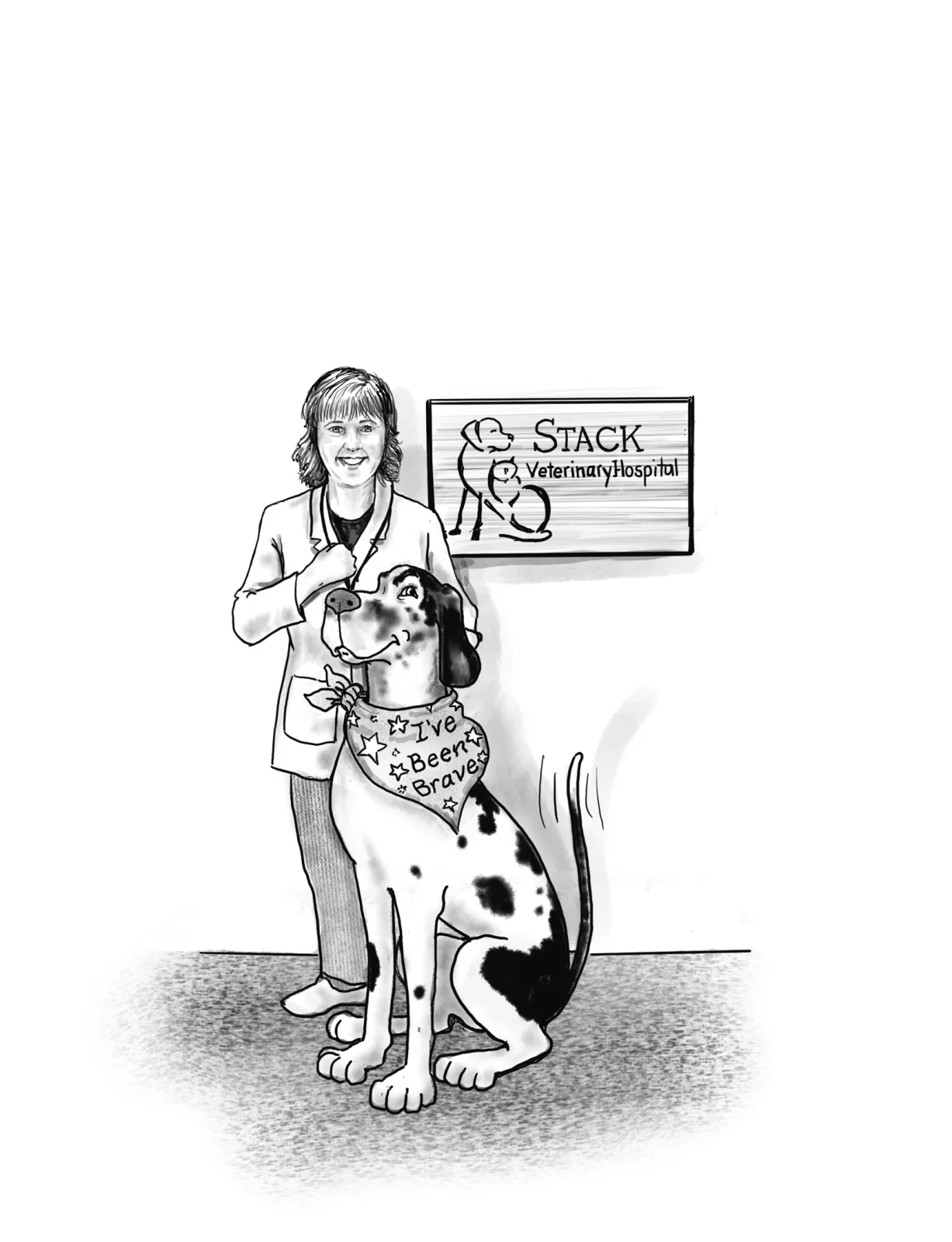
“Even when things are scary and uncertain, trust that those who care for you have your best interests at heart.“
Trust isn’t always easy, especially when we’re facing the unknown. In this excerpt from So Much to Drool About, my Great Dane found himself in a situation many of us can relate to: nervous, unsure, and completely out of his comfort zone. Yet even in that moment of fear, he had one thing to rely on: the people who cared for him.
This simple yet powerful lesson applies to all of us. When life throws challenges our way, it’s natural to want to retreat, to try to handle everything alone. But sometimes, the best thing we can do is lean on those who have our best interests at heart. Whether it’s family, friends, or trusted mentors, support is there if we allow ourselves to accept it.
The Importance of Trust in Trying Times
When life becomes uncertain or overwhelming, our first instinct is often to tighten our grip and face it alone. Trusting others can seem like a risk. What if they don’t understand? What if they let us down? What if relying on someone else makes us look weak? But the truth is, trust isn’t a sign of weakness; it’s one of the most powerful ways we navigate life’s toughest moments.
Allowing ourselves to lean on others provides emotional support, fresh perspectives, and sometimes even solutions we wouldn’t have found on our own. Whether it’s confiding in a friend during a difficult decision, letting a mentor guide us through a career challenge, or relying on family in a personal crisis, trust creates a safety net that makes hardship more manageable. It reminds us that we don’t have to carry everything alone.
On the flip side, refusing to trust can make struggles even heavier. Shutting people out leads to isolation, missed opportunities, and unnecessary stress. We make things harder by refusing to accept help that could make a difference. Over time, this habit of self-reliance can lead to burnout and a sense of disconnection from those who genuinely want to help.
Trusting others doesn’t mean surrendering control. It means recognizing that we are not meant to face everything alone and that even in the hardest moments, we are in safe hands.
Four Pillars of Trust: How to Build and Maintain Them
Trust is built over time through consistent actions and mutual understanding. While different experts might categorize the elements of trust in various ways, most agree on a few core principles. The four pillars we’ll explore in this section serve as the foundation for trust in both personal and professional relationships.
Open and Honest Communication
Communication is the foundation of every trusting relationship. When people feel heard and understood, trust grows naturally. The word ‘communication’ gets thrown around a lot these days, but it’s not just about talking. Honest communication is really about listening, being transparent, and expressing thoughts in a way that builds connection rather than confusion.
One of the biggest obstacles to trust is unspoken assumptions. We often expect others to “just know” what we’re thinking or assume their intentions without asking. Over time, these gaps in communication can create misunderstandings and distance. Being clear and direct about feelings, needs, and concerns helps prevent these breakdowns. It also reassures others that they can count on you to be upfront rather than leaving things unsaid.
A good starting point is learning to express yourself with clarity and sincerity. This means saying what you mean without passive aggression or unnecessary sugarcoating. At the same time, it’s just as important to create space for others to share their thoughts. Ask questions, show genuine interest, and listen without immediately rushing to respond. Trust grows when both sides feel safe enough to be honest without fear of judgment or dismissal.
Reliability and Consistency
The people we trust the most aren’t necessarily those with the best words but those whose actions align with what they say. Reliability means showing up and being someone others can count on, even in the small moments.
It’s easy to make promises, but trust is built when those promises are kept. Following through, no matter how minor the commitment, reassures others that our word means something. A friend who consistently checks in, a colleague who meets deadlines without excuse, or a loved one who listens without judgment – these steady actions strengthen trust far more than grand gestures ever could.
Building reliability starts with self-awareness. Are your actions aligned with your words? Do others know they can depend on you, or do they hesitate? If trust has been broken, restoring it takes time. Trust grows strongest through dependable actions that reinforce security and connection.
Practicing Empathy
Trust grows when people feel understood. Empathy strengthens relationships by showing others that their emotions and perspectives matter.
Empathy starts with listening. Instead of planning your response or jumping in with advice, focus on what the other person is saying. Pay attention to their words, tone, and body language. Ask questions instead of making assumptions. A simple response like “That sounds really difficult” or “I can see why you’d feel that way” reassures them that they are being heard.
It’s also important to be mindful of your reactions. Dismissing someone’s feelings or rushing to fix the problem can make them feel ignored. Sometimes, people don’t need solutions; they just need to feel understood.
Respecting Boundaries
Trust and respect go hand in hand. Boundaries help define what feels comfortable and safe, and honoring them shows that we value a person’s autonomy. When people know their limits will be respected, they feel more secure in their relationships.
The best way to navigate boundaries is through awareness and communication. Pay attention to how people respond in different situations. If someone pulls back, seems hesitant, or directly expresses a limit, take it seriously. Rather than assuming their boundary will shift over time, acknowledge it and adjust your expectations. If you’re uncertain, asking a simple “Would you be comfortable talking about this?” or “Let me know if you need space” can go a long way in showing consideration.
Equally important is setting your own boundaries. Being clear about what you’re comfortable with makes it easier for others to respect your limits. When both people feel safe expressing their needs, trust deepens naturally.
A Call to Start Trusting Others
Trust is built through small moments – through open conversations, consistent actions, empathy, and respect. The more we invest in these pillars, the stronger our relationships become. But trust also requires a leap of faith. It means allowing ourselves to rely on others, even when it feels uncomfortable. It means believing that we don’t have to carry everything alone.
If trust has felt difficult in your life, start small. Pay attention to those who consistently show up for you. Practice opening up, even in small ways. Let others support you when you need it, and do the same for them. Every step toward trust strengthens connection, making life’s challenges feel a little lighter.
If you’re looking for more inspiration, my book So Much to Drool About: Lessons for Living Large offers wisdom from an unexpected source: my Great Danes. These gentle giants have a way of seeing the world that reminds us to embrace life’s lessons, lean on those who care for us, and find the courage to trust, even in uncertain times. Learn more and get your copy here!