
Balancing Responsibility with Enjoyment in Your Life

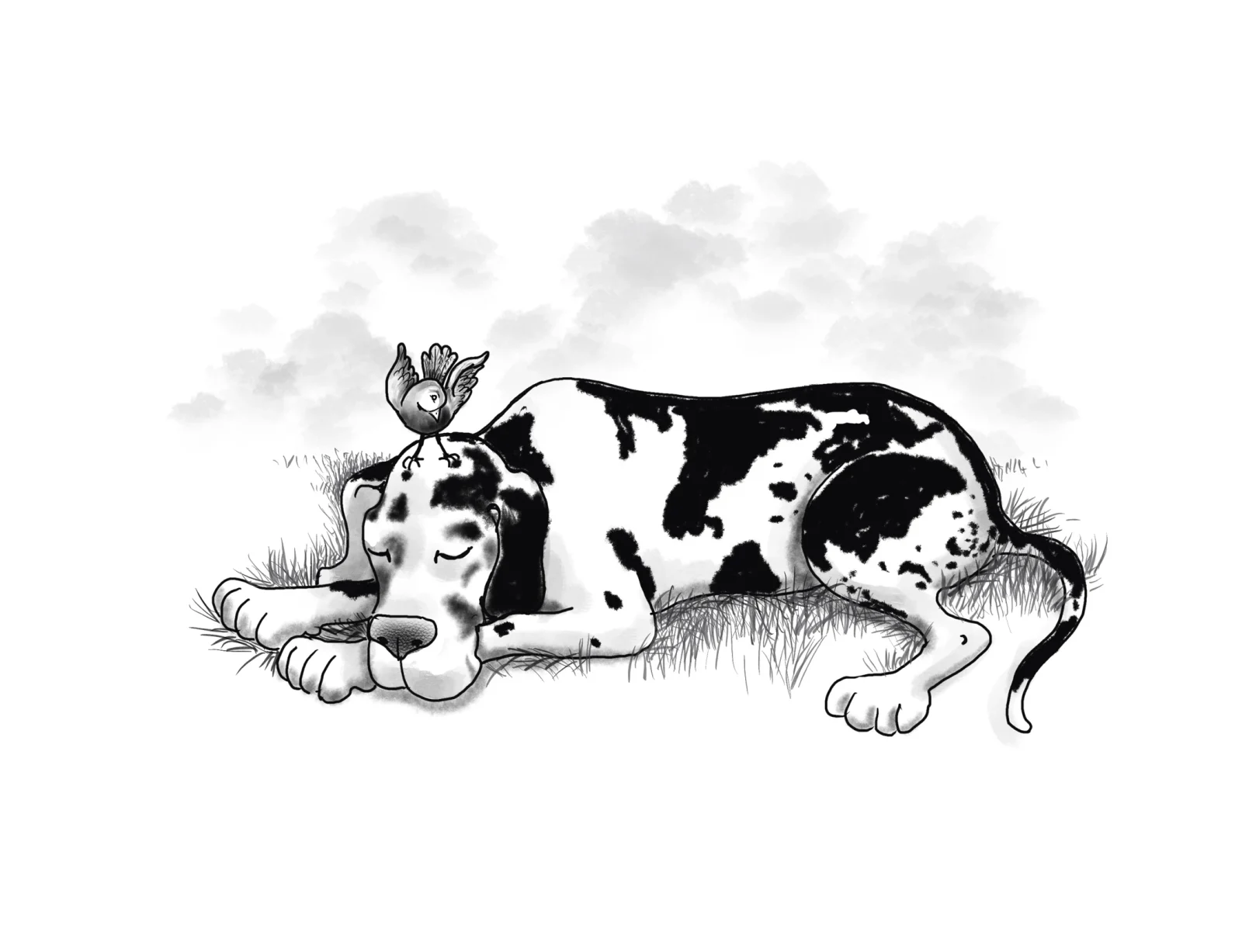
“Explore the balance between responsibility and taking time to savor life’s simple pleasures.”
Most of us are pretty good at being responsible. We show up, follow through, and keep things moving.
What we’re not always so good at is letting ourselves enjoy things. Not in a distracted, checking-it-off-the-list kind of way, but in the quiet, full-body sense of being present.
The excerpt above from So Much to Drool About points to something important: how easily we forget to savor life’s simple pleasures when we’re caught up in managing, protecting, or producing. It’s a reminder that while responsibility matters, it doesn’t have to come at the cost of joy.
So, let me ask: Is there room in your life right now for both responsibility and enjoyment?
Why We Struggle to Rest
For many of us, responsibility is a part of our identity. We’re taught from a young age that being hardworking, productive, and self-reliant is something to strive for. And while those values can serve us well, they can also make it incredibly difficult to slow down.
Rest, in this context, starts to feel suspect. Even when we’ve earned it, it doesn’t always feel safe to take. Instead of ease, we feel guilt. Instead of restoration, we feel restlessness. It’s as if we’re breaking an unspoken rule that says: your worth is measured by how much you can get done.
A recent study found that 75% of American workers feel guilty relaxing on their designated days off.
This hints at a larger problem, one about mindset. Many people worry that resting will make them seem lazy or less committed.
So even when the opportunity to rest appears, we often resist it. Or we try, but can’t fully settle. There’s a tension between what we know we need and what we feel we’re allowed.
But the truth is, rest isn’t the opposite of responsibility – it’s part of it. Without space to restore ourselves, our ability to show up fully begins to fade.
How to Reclaim Joy Without Letting Go of Responsibility
Responsibility and enjoyment don’t have to compete. You can care deeply about your work, your people, and your commitments, and still make space for rest and joy.
The strategies below are gentle ways to help you do both. They’re not about adding more pressure to “rest better,” but rather about giving yourself quiet permission to integrate ease into your life, without compromising what matters most.
Redefine What It Means to Be Responsible
Many of us equate responsibility with nonstop action. We’re used to measuring our contribution by how much we’re doing, how available we are, or how little rest we need. But real responsibility isn’t about constant motion. Rather, it’s about sustainability.
Here’s a helpful reframe: You are a long-term asset. Your energy, attention, and clarity are not infinite resources. Tending to them isn’t indulgent – it’s wise.
If that mindset feels hard to access, try this:
“If I were a teammate I cared about, how would I encourage them to recharge today?”
Chances are, you’d offer them a break. You’d remind them that taking care of themselves will help them show up more fully tomorrow. You’d trust them to rest and return.
Use Micro-Moments to Reconnect
A full day off might sound ideal, but for many, it just isn’t realistic. That doesn’t mean you’re out of options. Small, intentional pauses throughout the day can offer meaningful rest and connection, even when time is limited.
Try looking for 2–3 minute windows between meetings, while dinner is cooking, or right before you transition from work to home mode. These moments often go unnoticed, but they can be powerful if we learn to use them.
One helpful approach is to anchor small joys to routine moments:
- Take a few deep breaths when you close your laptop
- Play a favorite song while making breakfast
- Step outside for two minutes after lunch
Research shows that even brief experiences of positive emotion can have a lasting effect on your mood, cognitive clarity, and overall resilience. You don’t need a full day to feel better—sometimes, a quiet pause is enough to change the tone of your afternoon.
Create Boundaries Around Rest
Rest doesn’t just happen; it has to be protected. Our world tends to celebrate constant output, so giving yourself permission to pause often requires boundaries. That might look like saying no to one more request, or logging off when the day is done. It could even be taking a walk without explaining where you’re going. These are little acts of self-respect that carve out space for you to breathe.
One practical tactic: schedule your downtime. Put it on the calendar the way you would any other commitment. Whether it’s a slow morning, a quiet evening, or a 30-minute break in the middle of the day, treat it as non-negotiable.
Practice Presence, Not Perfection
Of course, finding balance doesn’t mean living in perfect harmony every day. Life isn’t that tidy. Some seasons will be full of responsibility, and others may offer more room for rest or play.
What matters isn’t achieving some flawless ratio of work and joy, but learning to notice. To become more aware of how you’re moving through your days, and to make intentional shifts when something feels off.
The goal is presence, not perfection.
Living Well Is About More Than Doing It All
The Great Dane in the earlier excerpt holds both roles, protector and participant, with quiet grace. He knows when to stay alert, and he knows when it’s safe to rest in the grass and simply enjoy the moment.
Many of us forget that second part. We stay in guard mode, convinced that stepping back means we’re falling behind. But living well is about knowing when to act and when to pause. When to lead, and when to simply be.
So, where could you make just a little more space for delight, without dropping what matters most?
For more reflections inspired by the wisdom of my beloved Great Danes, take a look at my book, So Much to Drool About: Lessons for Living Large. Check it out here!