Embracing New Beginnings: Learning to Trust the Process

“Embrace the discomfort of new beginnings; trust in the process and lean on others to navigate the path from anxiety to achievement.”
New beginnings have a way of throwing even the most grounded among us off balance. Whether you’re stepping into a new role, starting over in a familiar one, or facing a change you didn’t choose, there’s often a moment of hesitation, of not quite knowing how things will unfold.
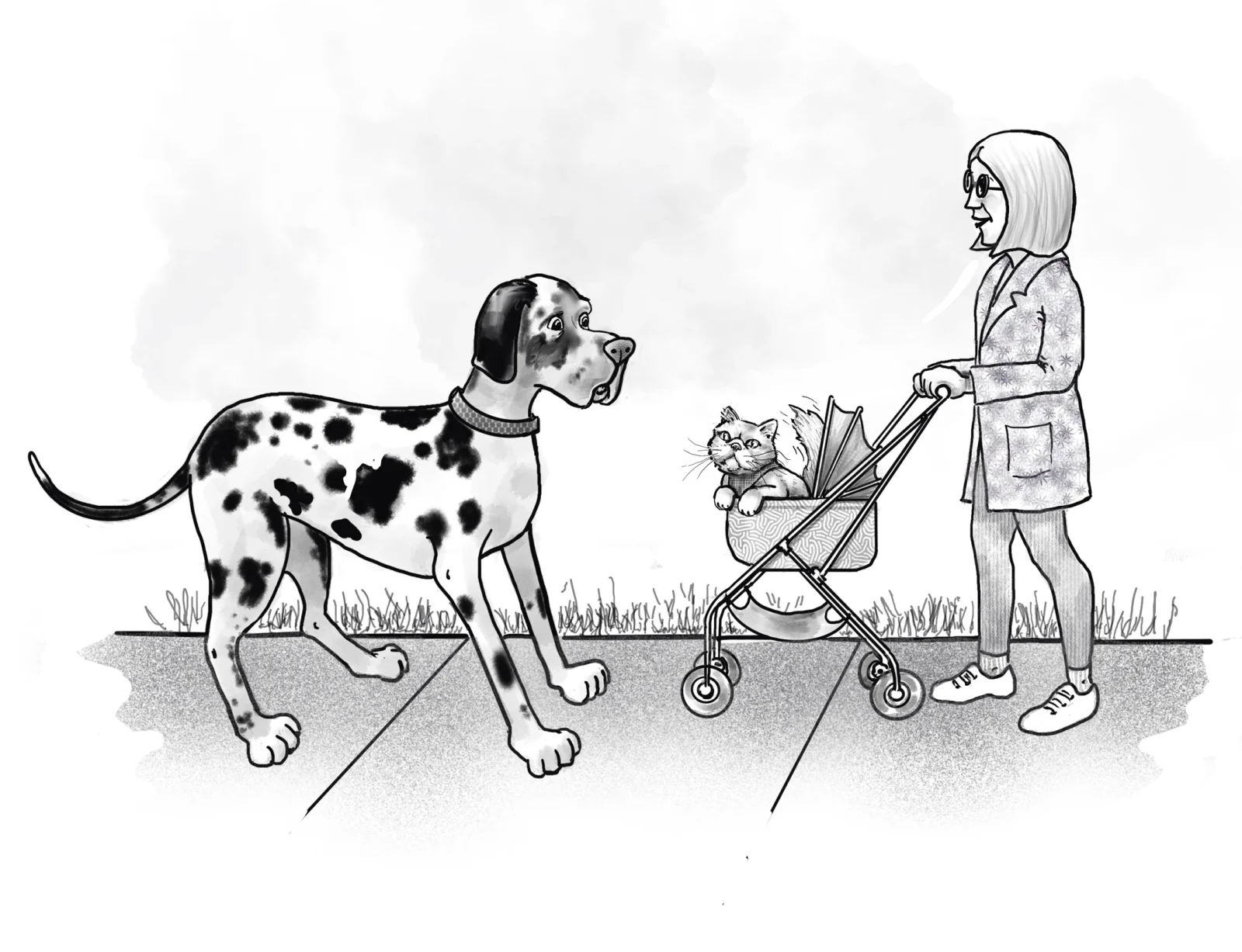
There’s a quiet truth in the idea that even the biggest, most confident presence can feel unsure when something unfamiliar appears. That moment, when the Great Dane meets the kitten in So Much to Drool About, captures it without saying much at all. It’s a gentle reminder: discomfort doesn’t mean something is wrong. It means we’re entering new territory.
And if we let ourselves stay with that discomfort, without rushing past it, we often find the beginnings of growth, connection, and a kind of strength that’s both steady and soft.
Why New Beginnings Feel So Hard
It’s normal to feel unsettled when things change. As human beings, we’re wired to seek out routines, familiar rhythms that give us a sense of control. When something disrupts that, even if it’s something we’ve chosen, it can stir up a deep emotional response. Uncertainty makes the brain work harder to assess risk, and in that space, fear often takes the lead. We start to imagine what could go wrong. We question whether we’re ready, whether we belong, and whether we’ll be able to handle what comes next.
One of the hardest parts of starting something new is that it often challenges how we see ourselves. A confident leader stepping into unfamiliar territory may suddenly feel unsure, even unqualified. It can be jarring. They may hesitate before speaking up in meetings, second-guess decisions that used to feel instinctive, or compare themselves to others who seem more at ease. That self-assured presence they once carried starts to flicker. It’s not that their abilities have vanished; it’s that their inner footing hasn’t caught up to the new context yet.
But feeling uncomfortable doesn’t mean you’re doing it wrong. In fact, it usually means you’re on the edge of growth. That in-between place, where you no longer feel like an expert but haven’t yet found your rhythm, is often where real learning begins. The discomfort is just part of the process.
Gentle Strategies for Embracing New Beginnings
There’s no single right way to move through a fresh start. Some people charge ahead, while others tread slowly. Most of us do a bit of both, depending on the day. What matters is finding small, steady ways to stay open to the experience.
Let Go of Perfect Readiness
There’s a myth that often follows us into new beginnings: the belief that we need to feel fully prepared before we start. That we should wait until we have all the answers, a clear plan, and total confidence before taking the first step.
But in reality, clarity doesn’t usually arrive first. It’s something we gather as we go. Most people who seem sure of themselves are simply moving through uncertainty with a willingness to learn along the way.
Waiting for perfect readiness can become a way to stay stuck. Instead, try beginning where you are, with what you know now. Let the next steps take shape as you move. Trust that you’ll grow into the role, the rhythm, the new reality. You don’t need to be ready to begin. You just need to begin.
Start Small, Stay Steady
A lot of us might think of starting something new as a big, dramatic event. But truthfully, change usually begins in much smaller ways.
Consistency matters more than intensity. Small actions, taken regularly, build trust in yourself and create momentum over time. You don’t have to map out the whole journey. Just take the next right step.
This might mean reaching out to someone who’s been in your shoes. Setting aside ten quiet minutes to think through what you need. Signing up for a class. Opening a blank document and naming the project you’ve been putting off. These aren’t grand gestures, but they count.
Whatever your new beginning looks like, start where you are. Pick one small, doable action today. And then keep showing up for it!
Find a Calm Presence
New beginnings can feel isolating, especially when you’re holding the weight of uncertainty on your own. But you don’t have to navigate that space alone. Reach out to someone, like a trusted friend, a mentor, or a coach. Sometimes, what we need most is someone who will simply listen, without trying to fix anything.
Having a calm presence nearby can make all the difference. An outside perspective reminds you that your feelings are valid, that you’re not the only one who’s ever felt this way, and that support is available even when the path ahead feels unclear.
Whether it’s a quiet conversation, a shared cup of coffee, or a text that says, “This is hard today,” connection creates steadiness. And steadiness helps you keep going.
Shift from Fear to Curiosity
Our minds tend to jump to worst-case scenarios when we’re standing at the edge of something new. What if this doesn’t work? What if I fail? These thoughts are natural, but they can quickly create a spiral of fear that keeps us from moving forward.
One gentle way to interrupt that spiral is to shift the question. Instead of asking, What if this goes wrong?, try asking, What might I discover? Curiosity might not erase uncertainty, but it changes how we relate to it. It opens the door to possibility instead of closing it in self-protection.
In fact, studies have found that people who cultivate curiosity tend to experience lower levels of anxiety and greater psychological well-being. Curiosity helps us stay engaged, even when things feel unclear.
So the next time fear starts to speak up, gently ask yourself: What else could be true here? What might I learn about myself in this moment?
Moving Forward with Gentle Courage
Every new beginning asks something of us: not perfection, not certainty, but willingness. The willingness to take one small step forward, even if it feels awkward or unclear. That step might not look like much from the outside. But it matters.
Growth rarely arrives with fanfare. It shows up in steady moments of presence, in patience with ourselves, and in the quiet courage to keep showing up. Like a Great Dane learning to trust a tiny kitten, we grow when we stay open, especially when we’re unsure.
For more reflections on life, leadership, and the lessons we can learn from our four-legged friends, take a look at my book, So Much to Drool About: Lessons for Living Large. It’s full of honest moments and heartwarming stories to support you along the way. Grab a copy here.