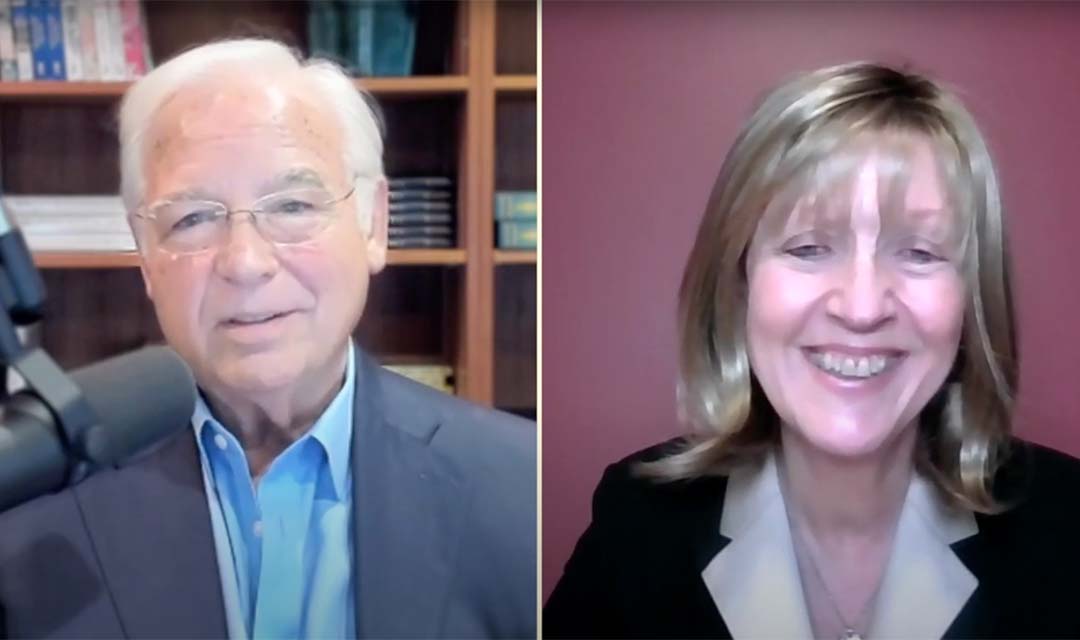
Finding the Courage to Ask More Questions and Get What You Need
Have you ever felt a pang of unease when you knew you should ask a question, voice a need, or advocate for yourself? That hesitation, that little voice whispering “maybe not,” is something we all experience. Perhaps you were worried about how you’d be perceived, concerned about disrupting the flow of things, or simply unsure of how to articulate what you needed. It’s a common human experience to grapple with these feelings.
These fears, while understandable, often hold us back. They keep us in a reactive posture, constantly responding to what’s happening around us instead of actively creating the circumstances we desire. The good news is that we can learn to overcome these fears, find our voice, and confidently ask for what we need.
The Fear of Asking Questions
So, what exactly fuels this fear of asking? More often than not, it’s a complex cocktail of underlying anxieties. Vulnerability plays a big role. Asking a question can feel like exposing a weakness, admitting we don’t know something, and that can be uncomfortable. We’re often taught to value self-sufficiency, so needing clarification can feel like a failure.
Then there’s the ingrained desire to be polite, to avoid disrupting the flow or appearing demanding. We worry about being perceived as difficult or high-maintenance. And, of course, there’s the fear of sounding incompetent. We don’t want to reveal a lack of knowledge or understanding, especially in professional or social settings.
But beneath these surface fears often lies a deeper issue: our sense of self-worth. Our willingness to ask for what we need is often directly tied to how we value ourselves. If we harbor a belief, even subconsciously, that we are not worthy of getting what we need, it becomes incredibly difficult to advocate for ourselves.
This can manifest in many ways. We might hesitate to ask clarifying questions, fearing we’ll be judged. We might avoid seeking information that could benefit us, believing we don’t deserve it. And we might shy away from negotiating for our needs, convinced we’re not entitled to more. This connection between fear and self-worth is crucial to understand because it reveals the root of the problem.
Finding the Courage to Ask for More
Understanding the root of our fear is the first step. But how do we move beyond that understanding and actually find the courage to ask for more? Well, it’s a process, a journey of self-discovery and practice. It’s about shifting our mindset and developing the skills to advocate for ourselves effectively.
Acknowledging and Accepting Your Fear
Fear is normal! Everyone experiences it, even the most confident and assertive individuals. It’s a natural human response, often rooted in self-preservation. The key is not to try and eliminate fear altogether – that’s unrealistic and likely impossible – but to acknowledge it, accept it, and learn to work with it.
The biggest mistake we make with fear is judging ourselves for feeling it. We think we shouldn’t be afraid, and this self-judgment only amplifies the anxiety. Instead, practice self-compassion. Recognize that it’s okay to feel fear, that it’s a part of the human experience. Acknowledge its presence without letting it dictate your actions. Tell yourself, “I’m feeling afraid right now, and that’s okay.” This simple act of acceptance can create space between you and your fear, allowing you to observe it without being consumed by it.
Managing the Inner Critic
Often, the loudest voice contributing to our fear of asking comes from within. Our inner critic, that relentless voice that whispers doubts, feeds our fear of asking by reminding us of all the reasons why we shouldn’t or wouldn’t succeed. It tells us we’re not good enough, smart enough, or deserving enough, making it incredibly difficult to muster the courage to speak up.
Learning to manage this inner critic is a crucial step in finding your voice. It’s not about silencing it completely – that’s often impossible – but about recognizing its influence and choosing not to be controlled by it. The first step is to become aware of its presence. Pay attention to the negative self-talk that arises when you consider asking for something. What kinds of things does your inner critic say? Does it focus on your perceived flaws, anticipate negative reactions from others, or predict failure? Once you identify these patterns, you can begin to challenge their validity.
Managing your inner critic is an ongoing process, not a one-time fix. It requires patience, self-awareness, and a willingness to challenge those negative thoughts. But as you learn to quiet that inner voice and cultivate self-compassion, you’ll find it becomes easier to embrace vulnerability, take risks, and confidently ask for what you need.
Preparing for Vulnerability
Asking for what we need, whether it’s a question, a request, or a negotiation, inherently involves vulnerability. We’re putting ourselves out there, opening ourselves up to the possibility of rejection, criticism, or even just an uncomfortable conversation. Preparing ourselves for this vulnerability is crucial for summoning the courage to ask in the first place.
One of the most important aspects of preparing for vulnerability is managing our expectations. Not everyone will say yes. In fact, sometimes the answer will be a flat no, and sometimes it will be a more nuanced “not right now” or “under these conditions.” It’s important to accept this reality. Going into a conversation with the expectation that you might not get what you want can help soften the blow if the answer isn’t what you hoped for. It doesn’t mean you shouldn’t ask; it simply means you’re prepared for a range of possible outcomes.
Another key element is focusing on your own needs and goals. Why is this question, request, or negotiation important to you? What are you hoping to achieve? When you’re clear about your own motivations, it becomes easier to navigate potentially difficult conversations. You’re less likely to be swayed by external pressures or negative reactions if you’re grounded in your own purpose.
Lastly, preparing for vulnerability also involves considering the other person’s perspective. What might their concerns be? What information do they need to make an informed decision? Anticipating potential objections can help you craft your request in a way that addresses those concerns upfront. This demonstrates respect for the other person and increases your chances of a positive outcome.
Step into Your Power and Get What You Need
Learning to ask for what you need is a process of self-discovery, courage-building, and consistent practice. There will be times when it feels easy, and there will be times when it feels incredibly challenging. But every time you ask a question, voice a need, or advocate for yourself, you’re strengthening your voice and stepping further into your power.
As a leadership development coach, I’ve guided countless individuals through this very process. I understand the challenges, the fears, and the triumphs that come with it. If you’re ready to step into your power and learn to ask for more effectively, contact me today to get started.